

This post contains affiliate links. If you make a purchase through my links, I may earn a small commission at no additional cost to you. As an Amazon Associate I earn from qualifying purchases.

A beautiful wardrobe doesn’t have to be complicated. In fact, some of the best outfits start with a handful of pieces you genuinely love wearing. Building a capsule wardrobe after 50 isn’t about following a list of fashion rules or getting rid of everything you own. It’s about creating a collection of versatile pieces that fit your lifestyle, flatter your shape, and work together effortlessly. Whether you’re refreshing your wardrobe, rediscovering your personal style, or simply tired of staring into a closet full of clothes with nothing to wear, a thoughtfully curated capsule can make getting dressed a whole lot easier.
Whether you’re refreshing your wardrobe or simply making better use of what you already own, let’s build a closet that works for your life today.
Start With What You Already Own
Before you buy anything new, start with what’s already in your closet. Pull out the pieces you wear most, try them on, and be honest about what still fits your body, your lifestyle, and your personal style today. The goal isn’t to keep something just because it was expensive or used to fit. It’s to identify the pieces that make getting dressed easier and build from there.
Your favorite jeans, a great-fitting tee, or the jacket you reach for constantly may already be the beginning of your capsule wardrobe. Pay attention to those repeat-wear pieces. They’re usually the best clue to what you actually like, not what you think you’re supposed to wear.
Find Your Personal Color Palette
A capsule wardrobe works best when the colors work together, but that doesn’t mean everyone needs a closet full of beige, camel and cream. Your ideal palette should come from the colors you genuinely enjoy wearing and the ones that make you feel your best.
Start by looking at the clothes you already reach for again and again. Pull out five or six favorites and look for patterns. Do you gravitate toward rich jewel tones, soft muted shades, earthy colors, crisp black and white, or brighter colors? You may already have the beginnings of your personal palette without realizing it.
Next, try a simple color test in natural daylight. Hold different colors near your face and compare them side by side. Try cream against bright white, camel against charcoal, olive against cobalt, or coral against berry. Pay attention to what happens to your complexion. The right colors tend to make your skin look more even and your eyes more noticeable, while others may emphasize shadows, redness or dullness.
You don’t need to fit perfectly into a seasonal color category to build a wardrobe that works. Instead, notice whether you tend to look better in warmer or cooler tones, clear or muted colors, and lighter or deeper shades.
Use ChatGPT to Help Find Your Best Colors
If you’re not sure what you’re seeing when you compare colors, ChatGPT can help you organize the results. Instead of asking it to guess your season from a photo, try a few colors in natural daylight and tell ChatGPT what you notice.
For example, compare cream with bright white, camel with charcoal, olive with cobalt, and coral with berry. Notice which shades make your skin look brighter, your eyes more noticeable, and your complexion more even.
Try this prompt:
Help me narrow down my personal clothing color palette. I’m going to tell you which colors look better on me in natural daylight. Based on my answers, help me determine whether I seem to suit warmer or cooler colors, clear or muted colors, and lighter or deeper shades. Then suggest three core neutrals and five accent colors that would work well together for a capsule wardrobe. Please explain why you chose them and don’t force me into a seasonal color category unless the evidence is clear.
Tip: The more specific you are about what you notice, the better the suggestions will be.
What to Look For:
- Temperature: Do warmer shades or cooler shades make your complexion look more alive?
- Intensity: Do you look better in clear, brighter colors or softer, muted ones?
- Depth: Are lighter, medium, or deeper shades most flattering?
From there, choose two or three core neutrals that work well together. Yours might be black, navy and white; chocolate, camel and cream; or olive, ivory and denim. Then add two or three accent colors that give your wardrobe personality.
Build Around Pieces You’ll Actually Wear
The best capsule wardrobe isn’t built around a checklist of pieces someone else says you should own. It should reflect the life you actually live. Before adding anything new, think about how you spend a typical week. Do you work from home, go into an office, spend most of your time casually dressed, travel often, go out to dinner, or need clothes that can move easily between several parts of your day?
Pay attention to the pieces you already wear on repeat. Those are usually the strongest candidates for your capsule because they already fit your lifestyle and feel like you. A great pair of jeans, a comfortable trouser, a flattering tee, a simple dress, or a jacket that works with several outfits will earn its place far more quickly than something you keep saving for the “right occasion.”
A useful rule is this: every piece should work with several other things in your wardrobe. Before buying something, picture at least three outfits you could make with it using clothes you already own. If you can’t, it may be a beautiful piece, but it probably isn’t a capsule piece.
Make It Yours
A capsule wardrobe should simplify your style, not erase it. Once you have the practical pieces covered, look at what makes an outfit feel like you. Maybe it’s gold jewelry, colorful shoes, a great belt, interesting texture, a bold jacket, or a particular color you wear constantly. Those details are what keep a smaller wardrobe from feeling generic.
One easy way to identify your personal style is to look at five outfits you’ve worn and genuinely loved. Don’t focus on the individual clothes at first. Look for what they have in common. Are they tailored or relaxed? Minimal or layered? Mostly neutral with one strong accent? Feminine, sporty, classic, edgy, or some combination of those? You’re looking for patterns, not a label.
Once you see those patterns, use them as a filter when you shop. A new piece may be beautiful, flattering, and even on sale, but if it doesn’t fit the way you actually like to dress, it probably won’t earn much wear. Your capsule should make getting dressed easier while still looking unmistakably like you.
A Quick Style Check
- Would I wear this with at least three things I already own?
- Does it fit the way I actually dress now?
- Does it feel like me, or am I buying it for a version of myself that rarely shows up?
The 10 Pieces I’d Actually Pick
A capsule wardrobe doesn’t need dozens of pieces, and it definitely doesn’t require starting over. These are the ten wardrobe staples I’d focus on first because they’re versatile, easy to mix, and useful in real life. Choose the colors, cuts, and fabrics that work for your body, climate, lifestyle, and personal style.
- Structured white button-down
- Neutral blazer
- Cream trousers
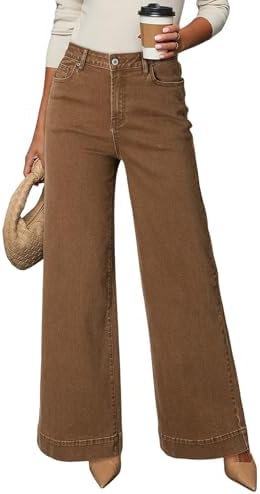
- Brown trousers
- Classic denim
- Neutral layering top
- Leather belt
- Loafers
- Casual Dress
- Neutral Handbag
A note on denim: Jeans are incredibly personal when it comes to fit, rise, and cut, so I’m not linking a random pair just to fill a product spot. My go-to denim brands are Good American, Madewell, and Levi’s, and I recommend starting there to find the fit that works best for you.
The product links below are affiliate links, which means I may earn a small commission at no extra cost to you.


Leave a Reply